A sloped property can have character, but its elevation changes may also create practical problems. Soil washes downhill, outdoor areas become difficult to use, and the ground beside paved surfaces may need support. Some issues develop gradually, making it easy to overlook how much the landscape has changed until a once-manageable slope starts interfering with everyday activities.
A retaining wall holds soil in place where one ground level meets another. Depending on the property, it can help control erosion, support an elevated area, or create more useful outdoor space. An assessment by a concrete contractor connects those goals with the site's soil, drainage, and structural demands. The following six signs suggest that a retaining wall deserves consideration.
1. Soil Keeps Washing Away From a Slope
Recurring erosion is one of the clearest reasons to consider retaining part of a landscape. Bare patches, exposed roots, and small channels running downhill can show where water has been carrying soil away. Deposits at the bottom of a slope may reveal the same problem from a different angle. After repeated storms, the upper area loses material while lower areas collect sediment.
The concern is greater when erosion repeatedly affects the same section of the yard. Planting beds may lose their defined edges, and soil can spread onto walkways or other finished surfaces. A retaining wall can establish a supported boundary that helps keep the elevated ground in place. Its position should respond to the actual area of soil loss rather than simply follow a preferred decorative line.
A concrete contractor can assess the slope and determine whether a wall would address the underlying terrain problem. Soil conditions, water movement, and the elevation difference influence the design. A suitable wall combines soil retention with drainage, reducing the chance that the original erosion problem will continue around the new structure.
2. Runoff Repeatedly Damages Lower Areas
Rainwater naturally moves downhill, but concentrated runoff can make the lower portion of a property difficult to manage. Mud spreading across a patio, sediment collecting near a path, or washed-out planting beds may indicate that an elevation change needs closer attention. These patterns matter because a wall must work with water movement rather than merely interrupt it. Blocking runoff without providing an appropriate drainage route can create another problem.
According to This Old House, a retaining wall measuring four feet high and 15 feet long may hold back up to 20 tons of saturated soil. That substantial load explains why drainage belongs in the discussion from the beginning. Water accumulating behind a wall can add pressure, so the structure's appearance alone says little about its suitability for wet conditions.
For runoff-related concerns, the conversation with a concrete contractor should include drainage integration and site grading. Depending on the wall design, drainage provisions may include gravel backfill, weep holes, or perforated pipe. A retaining wall can contribute to managing elevation and water movement, but recurring puddles alone do not establish that a wall is the appropriate solution.
3. Much of Your Yard Is Too Steep to Use
A yard can be spacious on paper while offering very little comfortable room outdoors. A steep section may leave furniture awkwardly positioned or make it difficult to establish a practical seating area. When activities are confined to one small patch of level ground, the slope may be limiting how the property functions. The issue becomes especially noticeable when the household's outdoor needs change.
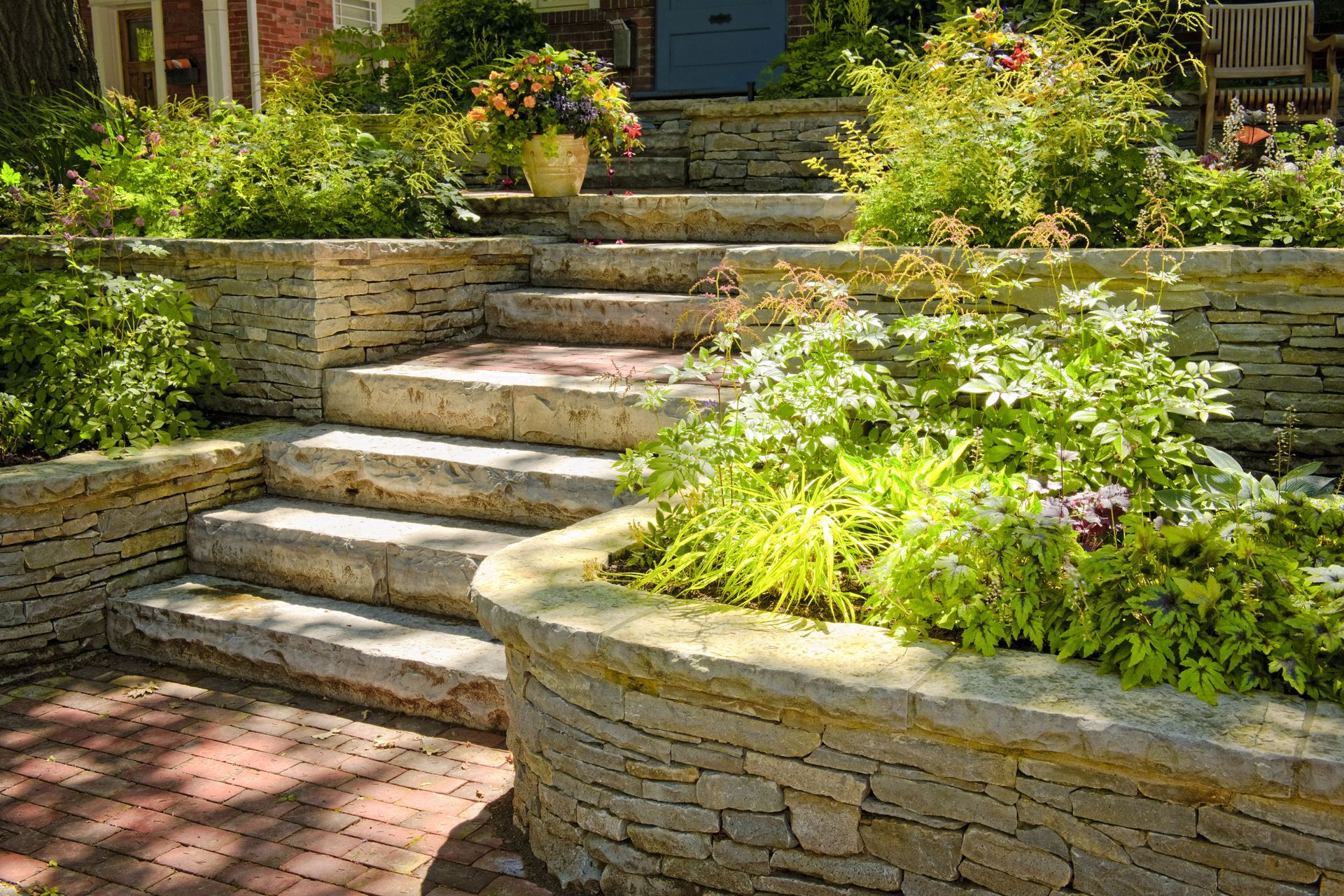
Retaining walls can create level areas by supporting the soil at the edges of a redesigned grade. On some properties, a tiered arrangement makes more sense than one large change in elevation. Different levels can accommodate separate uses while keeping the terrain organized. The goal is to gain useful space without overlooking the support each level requires.
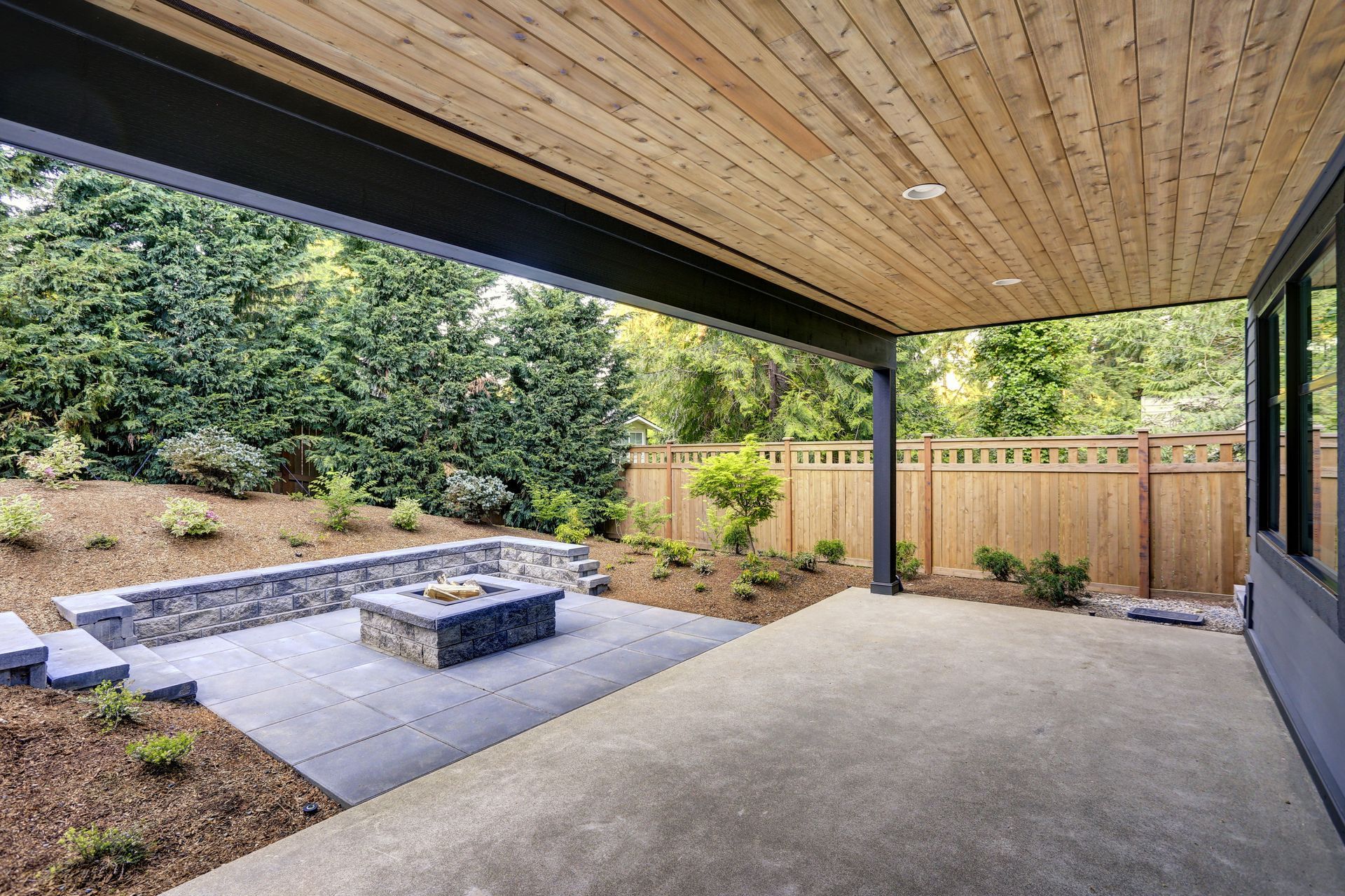
Discussing the intended use with a concrete contractor helps connect the wall's design to the finished area. A space intended for a patio has different demands than a narrow planting bed, particularly when nearby surfaces or structures add loads. Access, drainage, and the relationship between levels also matter. The resulting layout should feel practical for everyday use, rather than create a flat area that remains difficult to reach.
4. Ground Beside a Driveway or Path Is Losing Support
An elevated driveway or walkway needs more than a durable paved surface. The adjoining soil also matters, especially where the edge meets a downhill slope. Receding ground, exposed edges, or widening gaps beside the pavement can indicate that the surrounding terrain is changing. Those conditions warrant evaluation before the problem is treated as merely cosmetic.
A retaining wall may support the elevation difference beside a driveway or pathway and help keep adjacent soil in place. Its design needs to account for the setting, including loads from vehicles where applicable. A wall beside a driveway cannot be selected solely because it resembles one used around a garden bed. The ground it supports and the activity nearby affect its structural requirements.
Assessment by a concrete contractor can clarify whether the concern involves soil retention, the paved surface, or both. A wall may address an unsupported slope, while damage already present in the pavement may require separate attention. Understanding that distinction helps establish a project that responds to the actual conditions instead of assuming one improvement will correct every visible defect.
5. A Slope Near a Building Shows Soil Movement
Changes in the ground near a home, garage, or other structure deserve careful consideration. Soil collecting against a building, a slope developing an uneven outline, or persistent erosion beside the foundation can suggest that the surrounding terrain needs support. These observations do not identify the cause by themselves. They do, however, provide a reason to investigate how the slope relates to the structure.
Retaining walls can help separate elevations and support soil where terrain creates pressure or instability concerns. Placement is particularly important near buildings because the wall, drainage route, and existing foundation must be considered together. Redirecting water toward the building or placing a wall without evaluating the surrounding ground could undermine the intended benefit. Protection depends on the complete arrangement, not simply the presence of a barrier.
During a site evaluation, a concrete contractor can explain how a proposed wall would relate to nearby buildings. Structural demands and the proximity of existing foundations influence the proposed solution. Foundation cracks or indoor moisture need their own assessment because a retaining wall may not address their cause.
6. An Existing Retaining Wall Is Leaning or Separating
An older retaining wall may eventually show that it is struggling to support the ground behind it. Noticeable leaning, bulging, displaced sections, or growing gaps deserve attention, particularly when soil is escaping through or around the structure. A changing wall can affect the supported area as well as the space below it. Its condition should therefore be assessed before nearby improvements are planned.
The need for a new wall depends on more than age or surface appearance. Drainage problems, inadequate support, and changed site conditions may contribute to movement. A structural stability assessment gives a concrete contractor a basis for determining whether new wall construction is appropriate. Addressing the contributing conditions is important so a replacement does not repeat the earlier wall's problems.
A retaining wall is most useful when it solves a clearly understood problem and supports how the property will be used. Evaluating the terrain before construction helps turn an outdoor limitation into a practical, lasting improvement. At Pro Cement Inc, we design and install retaining walls with drainage and structural support suited to each property. Contact us to discuss your site conditions and the retaining wall options that fit your goals.